Introduction
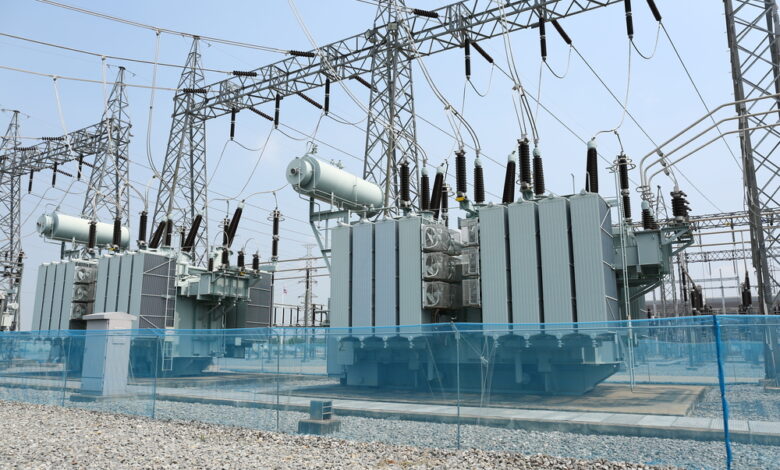
Electrical transformers carry high energy loads, and when something goes wrong, the results can move beyond equipment damage. Heat, sparks, oil ignition, pressure, and smoke can threaten nearby systems, buildings, workers, and public areas. A transformer firewall helps reduce those risks by creating a protective separation around equipment that may fail under stress. It does not stop every hazard, but it can slow fire movement, reduce exposure, and support safer response. For electrical sites, industrial properties, utility yards, and commercial facilities, this kind of barrier plays an important role in protecting people, assets, and nearby operations.
Electrical Safety Focus
Separating High-Risk Equipment From Surroundings
A transformer can become dangerous when internal faults, insulation breakdown, oil leaks, overheating, or electrical arcing create ignition conditions. Because transformers are often placed near buildings, other equipment, cables, and service areas, one failure can quickly affect more than the original unit. A strong separation wall helps create distance where physical distance is limited. The purpose is to reduce direct flame contact, radiant heat exposure, and flying debris that may come from a sudden equipment event. A properly placed Transformer Fire Wall gives nearby structures and equipment an added layer of protection when a transformer emergency begins. This separation is important because electrical sites often contain connected systems, and one damaged part can lead to wider disruption if heat or flames spread quickly. By holding back the immediate force of an incident, the wall helps limit the affected area and supports a safer path for shutdown, inspection, and emergency response.
Slowing Flame Spread Between Equipment
Transformer yards may include several units placed near each other, especially where space is limited or power demand is high. If one transformer catches fire, nearby units can be exposed to intense heat even before flames reach them directly. A protective wall helps slow that transfer by standing between the affected equipment and surrounding assets. This can reduce the chance of a chain reaction where one failure damages another transformer, switchgear area, control room, cable tray, or nearby structure. Slowing flame movement also gives facility teams more time to isolate power, activate response plans, and keep people away from the danger zone. In electrical safety, time matters because decisions often need to happen quickly and carefully. A wall that delays spread can prevent a single equipment issue from becoming a larger site emergency. It also helps protect service continuity by reducing the amount of equipment exposed during the first critical minutes of an event.
Reducing Heat Exposure to Nearby Structures
Heat from a transformer fire can travel outward even without direct flame contact. Radiant heat may damage walls, windows, roofing, insulation, wiring, nearby enclosures, and exposed mechanical systems. If a transformer sits close to a building, heat exposure can become a major concern. A protective barrier helps absorb and block some of that heat, lowering the risk that nearby materials will ignite or weaken. This is especially important around industrial buildings, utility rooms, substations, and commercial properties where electrical equipment may be placed near walls or service entrances. The wall acts as a shield, helping reduce the intensity of heat reaching nearby surfaces. When heat movement is slowed, the building has a better chance of remaining stable while the incident is controlled. This protection can also reduce repair costs after an event because damage may stay closer to the source instead of spreading across multiple parts of the property.
Supporting Safer Emergency Response
Emergency response around electrical equipment requires caution because fire may be combined with energized parts, oil, smoke, and damaged wiring. A transformer wall helps create a clearer boundary between the danger area and surrounding spaces. This boundary can help responders and facility personnel understand where exposure is greatest and where access may be safer. It can also help protect routes used for evacuation, equipment shutdown, or inspection after the power has been isolated. When flames and heat are partially contained, responders may have more room to assess the situation without immediate spread toward nearby assets. A wall does not replace alarms, shutdown systems, fire suppression, or trained response planning, but it supports all of them by limiting movement of the hazard. In a high-energy electrical setting, that added control can make response efforts more organized. It also helps keep nonessential workers farther from the source while the situation is being managed.
Protecting Business Operations and Power Reliability
Transformer failures can interrupt more than one piece of equipment. They can shut down production lines, building systems, lighting, cooling, security equipment, data operations, and other services that depend on steady power. A protective wall helps reduce the reach of damage, which may shorten downtime after an incident. If surrounding transformers, panels, cables, or buildings are protected from direct exposure, repairs may be more focused and less disruptive. This matters for facilities that cannot afford long interruptions, such as manufacturing sites, hospitals, warehouses, campuses, and commercial buildings. Electrical safety is not only about preventing injury; it is also about protecting the systems that keep daily operations moving. When damage is contained, teams can assess the affected area more clearly and plan recovery with fewer unknowns. A transformer wall can therefore support both safety and continuity by reducing the chance that one failure will spread across the property.
Maintenance Keeps the Barrier Effective
A transformer wall must remain in good condition to provide reliable protection. Over time, weather, vibration, impact, soil movement, corrosion, cracks, and site changes can weaken its performance. Openings added for cables, pipes, drainage, or access must be handled carefully because gaps can allow heat, smoke, or flames to pass through. Maintenance helps confirm that the wall remains properly positioned, stable, and free from damage that could reduce its value during an emergency. It is also important to review the area around the wall. Stored materials, vegetation, temporary equipment, or blocked access can create new risks if they are allowed too close. Electrical sites change as equipment is upgraded or expanded, so the barrier should be considered during any layout change. A wall that was useful when installed may need review if new transformers, buildings, or service routes are added nearby.
Conclusion
A transformer firewall is important for electrical safety because it helps separate high-risk equipment from nearby structures, people, and critical systems. It slows flame movement, reduces heat exposure, limits damage, and supports safer emergency response. In facilities where transformers are close to buildings or other electrical equipment, this protection can reduce the chance of a single failure becoming a wider emergency. Its value depends on proper placement, durable construction, and ongoing maintenance. When kept in good condition, the barrier becomes a quiet but important safety feature that helps protect property, operations, and lives during serious electrical events.