Strange sounds from an air conditioner should never be treated as normal background noise. A healthy cooling system may make a steady hum as it starts and runs, but banging, grinding, squealing, rattling, buzzing, or clicking can point to a developing problem. These sounds often begin when a part loosens, wears down, has trouble starting, or moves out of position. Scheduling AC repair service early can help prevent a small issue from becoming a larger failure. Quick attention also protects comfort, lowers stress on the unit, and helps keep cooling dependable during hot weather.
Noises That Should Be Checked
- Banging or Clanking Can Signal Loose Parts
A loud banging or clanking sound usually indicates that something inside the unit is not moving properly. The problem may come from a loose fan blade, a worn motor mount, a damaged blower part, or an internal component that has shifted during operation. If the sound comes from the outdoor unit, it may be coming from the fan assembly or compressor area. If it comes from the indoor unit, the blower wheel or housing may need attention. This type of sound should be checked quickly because loose parts can strike nearby components, causing further damage each time the system runs. Homeowners who hear sudden metal-like noises may need Glenpool Air conditioning repair service before the problem spreads through the cooling system. Turning the unit off until it is inspected may help prevent added strain. A repair visit can identify what moved, what caused the sound, and whether any related parts have already been affected.
- Squealing or Screeching Points to Friction
A squealing or screeching noise often means that a moving part is under stress. In some systems, belt wear can produce a sharp sound as the belt slips or becomes worn. In others, motor bearings, blower parts, or fan components may create noise when friction increases. These sounds can start quietly and become louder as the part continues to wear. Waiting too long can allow a simple part issue to grow into a motor problem or airflow failure. This matters because the air conditioner depends on smooth airflow to carry heat out of the home and distribute cool air through the rooms. If the blower or outdoor fan struggles, cooling performance may drop, energy use may rise, and the system may run longer than needed. Scheduling repair when the sound first appears gives the technician a chance to correct the source before friction damages surrounding parts or stops the unit from running at all.
- Buzzing or Clicking May Involve Electrical Trouble
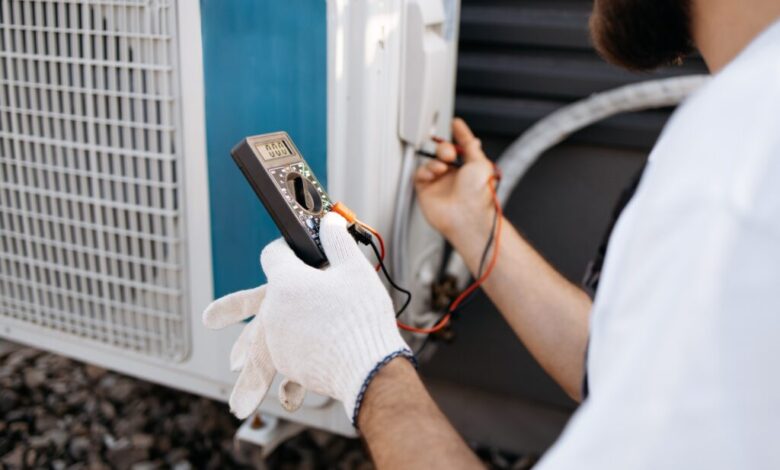
Buzzing and clicking sounds should be taken seriously, as they may indicate electrical components. A brief click at startup can be normal, but repeated clicking, loud buzzing, or humming without proper operation can signal trouble with a relay, contactor, capacitor, wiring connection, thermostat signal, or motor start cycle. Electrical problems can make the system unreliable and may cause the unit to start slowly, shut off suddenly, or trip a breaker. These issues are not safe to ignore, especially if the sound is accompanied by a burning smell, flickering lights, or a system that does not cool properly. A repair visit allows the technician to test electrical flow, inspect connections, and determine whether a part is weakening. Early service can prevent damage to motors, compressors, and control parts that depend on steady power. It also helps restore safe operation before the system is placed under longer cooling cycles during high outdoor temperatures.
- Rattling Can Mean Debris or Aging Components
Rattling may seem less serious than grinding or banging, but it can still point to a problem that needs repair. Outdoor units can collect leaves, twigs, screws, panels, or small debris that vibrates when the fan runs. Indoor units may rattle due to loose panels, worn blower components, loose fasteners, or duct movement. A light rattle that appears only at startup may become stronger over time if the source is not corrected. This sound can also suggest that the system is aging and parts are no longer staying firmly in place. Repair service helps distinguish between a simple loose panel and a deeper mechanical concern. The technician can secure loose parts, clear debris, check the fan area, and make sure nothing is interfering with airflow. Addressing rattling early can protect the equipment and reduce the risk of a sudden shutdown caused by a part breaking free or by a part blocking movement inside the unit.
Schedule Service Before the Sound Gets Worse
AC repair service should be scheduled when strange noises appear, especially if they are loud, new, recurring, or accompanied by weak cooling. Banging, squealing, buzzing, clicking, rattling, and grinding can all indicate different problems within the system. Some may be simple to correct early, while others can damage major parts if ignored. Paying attention to sound changes helps homeowners act before the unit fails during hot weather. A timely inspection can locate the cause, protect electrical and moving parts, restore quieter operation, and keep the home more comfortable without waiting for a complete breakdown.
<iframe src=”https://www.google.com/maps/embed?pb=!1m18!1m12!1m3!1d3230.0754415579295!2d-96.0066849!3d35.94512439999999!2m3!1f0!2f0!3f0!3m2!1i1024!2i768!4f13.1!3m3!1m2!1s0x87b69747c486f6cd%3A0x307365a2fa3fb4df!2sQuality%20Heating%2C%20Cooling%2C%20Plumbing%20%26%20Electric!5e0!3m2!1sen!2s!4v1753547370907!5m2!1sen!2s” width=”600″ height=”450″ style=”border:0;” allowfullscreen=”” loading=”lazy” referrerpolicy=”no-referrer-when-downgrade”></iframe>