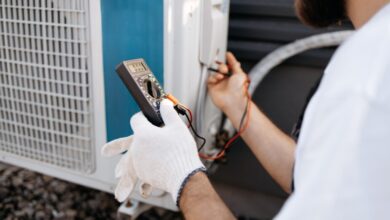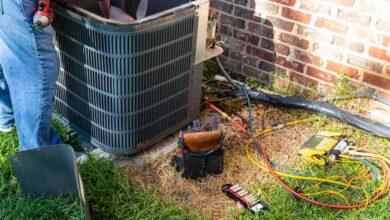
Mold growth around AC equipment often begins with moisture that stays longer than it should. An air conditioner naturally removes humidity from indoor air, but that moisture must drain away correctly. When drain lines clog, pans overflow, coils remain dirty, or airflow weakens, damp areas can form around the unit. These conditions may cause odors, stains, and unhealthy indoor air. An HVAC contractor helps by finding where moisture is collecting and correcting the cause before mold spreads around the equipment, ducts, walls, or nearby flooring.
Moisture Control Matters
- Checking Drain Lines and Drain Pans First
An HVAC contractor helps prevent mold growth by checking the parts that handle condensation. As warm indoor air passes over the cold evaporator coil, moisture forms and should move into the drain pan, then flow out through the condensate line. If that line becomes clogged with dust, algae, or debris, water may back up and sit near the equipment. A cracked pan, poor slope, loose connection, or blocked drain outlet can also leave moisture where it should not be. Semper Fi Heating and Cooling hvac repair can help homeowners address drain issues before standing water creates musty odors or damp surfaces around the AC unit. This inspection matters because many mold concerns begin in small wet areas that are easy to miss. By clearing the drain path, testing the flow, and checking the pan condition, the contractor helps keep condensation moving away from the system.
- Improving Airflow Across the AC System
Airflow plays a major role in keeping AC equipment dry and clean. When air does not move properly across the evaporator coil, the coil may become too cold, collect excess moisture, or freeze. When it thaws, water can overflow or create damp areas around the indoor unit. An HVAC contractor checks the air filter, return vents, supply vents, blower motor, duct restrictions, and coil surface to see whether the system is moving enough air. A clogged filter or a blocked return can reduce airflow and worsen moisture problems. Dirty coils can also trap moisture and dust, creating an environment where growth can develop. Restoring airflow helps the AC remove humidity more evenly and drain condensation correctly. It also helps rooms feel less sticky during warm weather. When airflow is balanced, the equipment does not have to work as hard, and moisture is less likely to collect around hidden AC parts.
- Cleaning Coils and Nearby Components
Mold concerns around AC equipment often connect to dust buildup and damp surfaces. Dust, pollen, pet hair, and other particles can settle on coils, blower wheels, insulation, cabinets, and drain areas. When these materials remain damp, they may cause musty odors and poor air quality. An HVAC contractor can inspect the indoor unit and clean affected components using safe methods for the equipment. Cleaning the evaporator coil is particularly important because it is a damp area during normal cooling operation. If the coil is coated with debris, water may not drain properly, and airflow may weaken. The contractor may also check cabinet insulation, access panels, and nearby surfaces for signs of staining or moisture damage. Keeping these parts clean helps reduce the material that mold needs to grow. It also allows the system to move air more smoothly and remove humidity more consistently.
- Managing Indoor Humidity Levels
Even when the AC is working, indoor humidity can remain too high if the system is oversized, short cycling, poorly maintained, or not running long enough to remove moisture. High humidity can make areas around vents, ducts, and equipment feel damp, especially in closets, attics, basements, or utility rooms. An HVAC contractor can measure humidity, review cycle times, check thermostat settings, and confirm whether the system is properly matched to the home. If the AC cools the house too quickly without removing enough moisture, the air may feel cold but still clammy. The contractor may recommend maintenance, control adjustments, duct corrections, or a whole-home dehumidifier when needed. Proper humidity control helps limit the damp conditions that encourage mold growth. It also improves comfort because the home feels cooler and fresher without relying solely on lower thermostat settings.
- Inspecting Ducts, Insulation, and Equipment Location
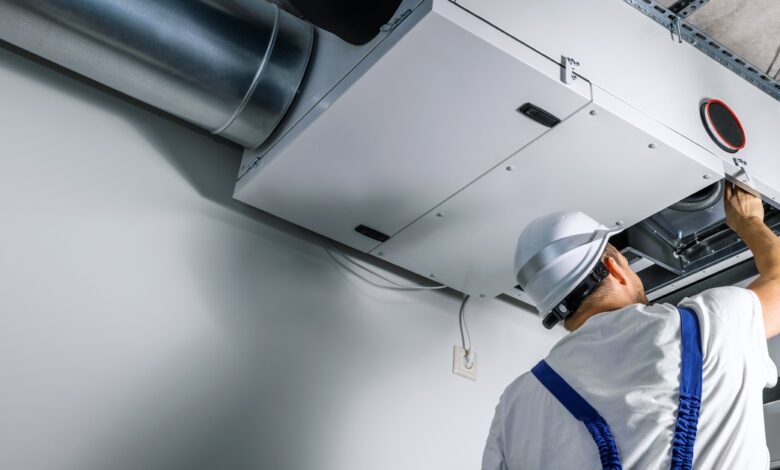
Mold around AC equipment can also come from problems outside the main unit. Duct leaks may pull humid air from attics, crawl spaces, or wall cavities. Poor insulation around ducts can create condensation when cold air meets warm surrounding air. Equipment placed in a damp closet, garage, attic, or basement may also be exposed to moisture from the surrounding area. An HVAC contractor can inspect duct joints, insulation, air leaks, access panels, and nearby walls or flooring to find hidden sources of dampness. If condensation forms on ducts or around the air handler, simply cleaning the surface may not solve the issue. The cause must be corrected so moisture does not return. Sealing leaks, improving insulation, and keeping the equipment area clean and dry can reduce the chance of mold forming again. A full inspection helps protect both the AC system and the surrounding spaces.
Keeping AC Areas Cleaner and Drier
An HVAC contractor helps prevent mold growth around AC equipment by controlling moisture at its source. Drain lines, pans, coils, filters, airflow, ducts, insulation, and humidity levels all affect how dry the system stays. When these areas are inspected and maintained, condensation can drain properly, damp surfaces can be reduced, and musty odors are less likely to develop. Regular service also helps catch small changes before they affect indoor air quality or damage nearby materials. A clean, dry AC area supports healthier comfort and helps the cooling system work more reliably.