Tooth sensitivity often begins as a quick sting when drinking something cold, biting into sweet food, or brushing near the gumline. At first, it may seem too small to mention, but early discomfort can reveal enamel wear, gum recession, small cavities, cracked teeth, grinding damage, or exposed roots. A dentist helps identify the reason before severe pain develops. With careful questioning, visual checks, gentle testing, and imaging when needed, the dentist can distinguish temporary sensitivity from problems that require treatment. Early care may help maintain comfort, chewing, and long-term oral health before daily habits become painful for many adults.
Early Signs and Care
- Asking the Right Questions First
A dentist usually begins by asking when the sensitivity happens, how long it lasts, and what seems to trigger it. This step matters because a short reaction to cold may suggest one issue, while lingering pain after hot drinks may point to something deeper. Sensitivity during brushing can be connected to gum recession, worn enamel, or harsh brushing habits. Pain while chewing may suggest a crack, loose filling, bite problem, or decay between teeth. The dentist may also ask about whitening products, acidic drinks, grinding, recent dental work, or changes in oral care routines. These details help narrow the cause before any treatment is discussed. Without this conversation, sensitivity can be mistaken for a simple surface problem when it may be linked to a hidden cavity or weakened tooth structure. Careful questioning allows the dentist to match the symptom pattern to the most likely source.
- Checking Enamel, Gums, and Tooth Surfaces
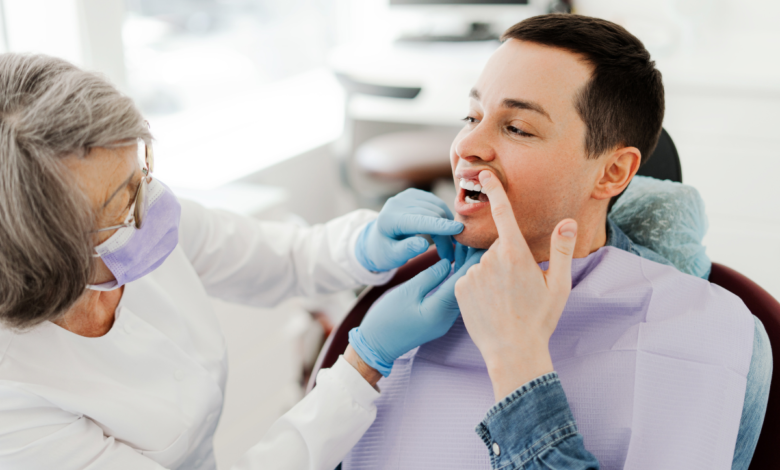
After discussing symptoms, the dentist closely examines the teeth and gums. Enamel thinning, exposed roots, gum recession, worn edges, chipped areas, and old fillings can all create sensitivity. A Dallas Dentist may also check whether brushing pressure, acidic foods, or nighttime grinding has contributed to the discomfort. The gumline is especially important because roots lack the hard enamel covering of the visible crown of a tooth. When gums pull back, even slightly, sensitive root surfaces may react strongly to cold air, drinks, or brushing. The dentist may use a small mirror, light, and gentle instruments to look for areas where the tooth surface has changed. Sometimes the sensitive area is easy to see, but other times the cause is hidden between teeth or under an old restoration. Finding these early signs helps prevent the discomfort from becoming constant or harder to treat.
- Using Tests to Locate the Exact Tooth
Tooth sensitivity can be confusing because pain may feel like it is coming from one area when the real source is nearby. A dentist can use simple tests to identify the exact tooth or surface causing the problem. Cold testing may show whether the nerve inside a tooth responds normally or stays painful longer than expected. A gentle air test may reveal exposed dentin along the gumline. Bite testing can help identify cracks or pressure-related pain that appears only when chewing. X-rays may show cavities between teeth, bone changes, deep decay, or problems near old fillings. These steps help the dentist determine whether the sensitivity is mild, moderate, or indicative of a deeper dental concern. Accurate testing is important because using desensitizing toothpaste alone may not help if the underlying issue is a cavity, a cracked tooth, a loose filling, or an inflamed nerve.
- Explaining Daily Habits That Can Make It Worse
A dentist also helps identify habits that may be increasing tooth sensitivity. Brushing too hard, using a stiff toothbrush, sipping acidic drinks often, chewing ice, clenching the jaw, or using whitening products too frequently can all affect tooth surfaces. Some adults do not realize that healthy-looking teeth can still become sensitive when enamel wears down or gums shift. The dentist can explain how small changes may reduce irritation, such as switching to a softer brush, brushing with lighter pressure, limiting acidic snacks, rinsing with water after certain drinks, or using toothpaste made for sensitive teeth. These steps are often most useful when the underlying cause is found early. If sensitivity is ignored, the person may avoid cold drinks, chew on one side, or brush less thoroughly, which can create new problems. Guidance from a dentist helps protect comfort without relying on guesswork.
- Treating Small Problems Before Pain Grows
Once the cause is clear, the dentist can recommend care based on what is actually happening in the mouth. A small cavity may need a filling before it reaches deeper layers. Exposed roots may respond to fluoride treatments, bonding, gum care, or changes in brushing habits. A cracked tooth may need closer monitoring or restoration before the crack spreads. If grinding is involved, a night guard may help reduce pressure on enamel and existing dental work. When old fillings leak or loosen, replacing them can stop sensitivity caused by exposed tooth structure. Early treatment can be less involved than waiting until pain becomes severe, swelling appears, or chewing becomes difficult. The goal is to protect the tooth while the problem is still manageable. A dentist can also schedule follow-up visits to see whether sensitivity improves or whether further care is needed.
Comfort Starts with Early Detection
Tooth sensitivity should not be brushed aside when it keeps returning or grows stronger. A dentist helps by asking detailed questions, checking enamel and gums, testing the affected area, and looking for hidden causes such as cavities, cracks, grinding, or exposed roots. Early attention can make treatment simpler and help protect daily comfort. It also prevents people from guessing with products that may not address the real issue. When sensitivity is identified before it becomes severe, eating, drinking, brushing, and chewing can feel more comfortable. Regular dental visits make it easier to catch small changes before they turn into lasting pain.