
Choosing the right finish for limestone in home improvement and interior design projects can significantly impact both aesthetics and durability. Limestone, a popular choice for flooring and countertops, can be finished in two primary ways: honed and polished. Each finish offers unique characteristics, making it essential to understand their differences before selecting one for your project. This article will explore the key features of Honed Limestone and polished limestone, their durability, and which surface is best suited for various applications in home design.
Honed Limestone vs Polished Limestone: An Overview of Surface Types
Honed Limestone is characterized by a matte finish, achieved by grinding the stone until it is smooth but not glossy. This finish provides a more natural look and is less slippery, making it ideal for high-traffic areas such as foyers and hallways. In contrast, polished limestone is buffed to a high gloss, enhancing the stone’s color and veining. The polishing process adds a reflective quality, making spaces appear brighter and more luxurious.
When considering the use of BIM (Building Information Modeling) in planning a renovation, it’s crucial to visualize how each limestone finish will interact with other design elements. The choice between honed and polished limestone can influence how light is distributed and how other materials complement the overall design scheme.
Key Characteristics of Honed Limestone and Its Durability
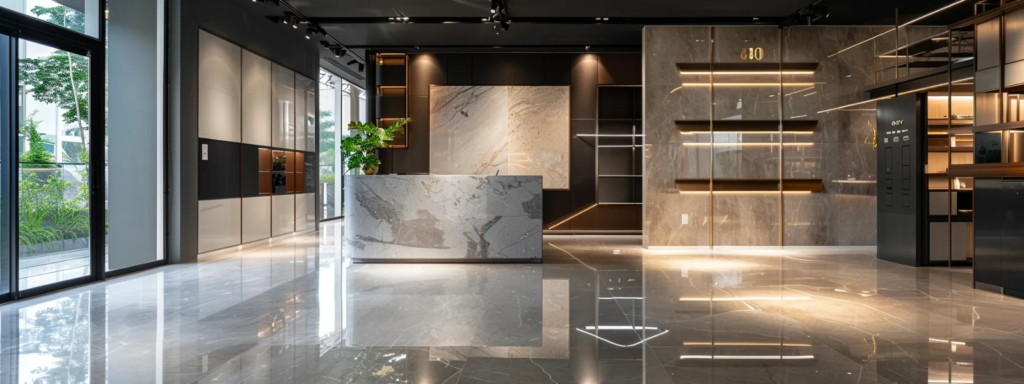
The tactile texture of Honed Limestone is one of its defining features. Its non-reflective surface makes it less prone to showing scratches and wear, a significant advantage for homeowners seeking long-lasting flooring solutions. Additionally, Honed Limestone is less likely to show etching from acidic substances, which can be a common issue in kitchen environments.
Honed Limestone offers a subtle elegance that aligns well with accessibility design standards, as its surface reduces the risk of slips and falls. This makes it a preferred choice for areas where safety is paramount. Moreover, when integrated into a space plan with carefully selected furniture and fixtures, Honed Limestone can create a cohesive and harmonious design.
For those interested in the environmental impact of materials, Honed Limestone can be a sustainable choice. It often comes with an EPD (Environmental Product Declaration), providing transparency about its environmental performance, which is important for projects aiming for LEED Certification.
Polished Limestone: Aesthetic Appeal and Resilience
Polished limestone’s high gloss finish brings a sense of opulence to interior spaces. Its reflective quality can enhance the color theory application by amplifying hues and creating dynamic visual effects. However, this finish is more susceptible to scratches and etching, which may require more maintenance over time.
In terms of resilience, polished limestone is suitable for areas where aesthetics take priority over heavy foot traffic. When paired with a well-thought-out finish schedule, polished limestone can be strategically placed in areas like bathrooms and feature walls, where it can shine without the threat of excessive wear.
Acoustic treatment in polished limestone applications can also be considered, as the reflective surface can impact sound distribution. Understanding how these elements interact can be crucial during the design development phase.
Comparative Analysis: Honed vs Polished Limestone for Different Applications
When comparing honed and polished limestone for use in various applications, it’s essential to consider the specific needs of each space. Honed Limestone, with its less slippery surface, is often favored for areas that require safe footing, such as kitchens and bathrooms. Its durability against wear makes it a practical choice for busy households.
Conversely, polished limestone is excellent for formal areas where visual appeal is a priority. Its reflective nature can make smaller rooms feel larger and more open. However, the need for regular maintenance to preserve its sheen and prevent etching must be factored into the decision-making process.
According to a recent industry analysis, using Honed Limestone in high-traffic areas like entryways can reduce visible wear and tear by up to 30% compared to polished finishes (Source: Architecture Digest, 2023). For those interested in exploring the variety of finishes available, the Honed Limestone collection provides a range of options suited to different design needs.
Conclusion
Understanding the differences between honed and polished limestone is crucial for making informed decisions in home improvement and interior design. While Honed Limestone offers durability and safety, polished limestone provides a luxurious aesthetic. Selecting the right finish depends on the specific requirements of the space and the desired balance between function and style. By considering these factors, homeowners can achieve both the look and performance they desire in their interior spaces.