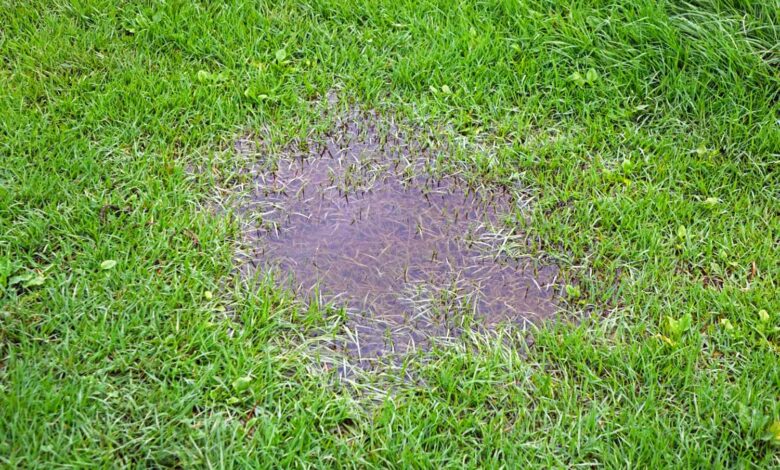
Soggy patches in the lawn may seem like a simple drainage issue, but they can also point to a damaged sewer line beneath the surface. When wastewater escapes underground, it can soak the soil, create soft areas, cause uneven grass growth, and leave unpleasant odors around the yard. These signs should not be ignored because sewer leaks can affect plumbing performance, soil stability, and household sanitation. Sewer line repair matters because it helps locate the hidden source, stop the leak, and protect the property before the damage spreads into the home or yard.
What the Lawn May Reveal
- Connecting Yard Conditions to Sewer Trouble
Sewer line repair becomes important when soggy lawn patches keep returning even after dry weather. A wet area caused by rain usually drains away. Still, a sewer-related patch may stay soft, smell unpleasant, or become greener than the surrounding grass because leaking wastewater is feeding the soil. Plumbers look at where the soggy area appears in relation to the home’s sewer path, cleanouts, trees, slopes, and outdoor drains. They may also ask whether toilets bubble, drains slow down, or backups happen after heavy water use inside the house. Sewer line repair in Middlesex can help homeowners determine whether recurring wet spots are caused by cracked pipes, loose joints, root intrusion, or a collapsed sewer section. This matters because the lawn may show the problem before indoor plumbing fully reacts, giving homeowners a chance to act before sewage backs up into fixtures.
- Finding the Leak Without Tearing Up the Yard
A soggy patch does not always show the exact location of a sewer leak. Wastewater can travel through soil, follow pipe trenches, or collect in low spots before reaching the surface. Sewer line repair often begins with careful testing to locate the damaged section with minimal disruption. Plumbers may use sewer cameras to inspect the inside of the pipe, looking for cracks, separated joints, roots, bellied sections, grease buildup, or collapsed areas. They may also use locating equipment to trace the camera head and mark the above-ground pipe route. This helps avoid unnecessary digging across the whole lawn. If the pipe is blocked and leaking, cleaning may be needed before the inspection provides a clear view. Accurate locating protects landscaping, driveways, sidewalks, and nearby utilities while helping the repair focus on the section that truly needs attention.
- Preventing Yard Damage and Soil Problems
Leaking sewer lines can slowly change the soil conditions around the pipe. Constant moisture may soften the ground, create sunken areas, damage plant roots, and make the lawn uneven or muddy. If the leak continues, soil can wash away from around the pipe, leaving gaps that increase the chance of pipe movement or collapse. Sewer line repair helps stop this cycle by removing the source of excess moisture and restoring proper wastewater flow. The longer the problem persists, the more likely the yard will need additional restoration after the plumbing repair. Wet soil can also attract insects and create unpleasant outdoor conditions, especially near patios, walkways, or children’s play areas. Addressing the sewer line early helps protect both the underground pipe system and the usable outdoor space above it.
- Reducing Health and Odor Concerns
Soggy lawn patches from a sewer leak are not the same as ordinary puddles. They may contain wastewater, bacteria, and organic material that should not be left near areas where people walk, garden, or gather. One warning sign is a foul odor that intensifies near the wet area, especially in warm weather. Sewer line repair matters because it removes the source of contamination rather than just masking the smell or drying the surface. Plumbers can determine whether the leak is active, whether a blockage is forcing wastewater out through a weak point, and whether the pipe needs repair or replacement. Homeowners should avoid digging in suspicious wet areas without proper guidance, as damaged sewer lines can expose unsafe material. Repairing the sewer line helps restore cleaner yard conditions and reduces the risk of wastewater reaching areas close to the home.
- Avoiding Indoor Backups and Larger Repairs
A sewer line that leaks into the lawn may also be struggling to move wastewater away from the house. If the pipe is cracked, blocked by roots, sagging, or partly collapsed, water may slow down, and pressure may build inside the system. Over time, this can lead to gurgling drains, frequent clogs, toilet backups, basement floor drain issues, or sewage returning through low fixtures. Sewer line repair helps prevent these indoor problems by restoring a clear path from the home to the main sewer connection or septic system. Depending on the extent of th damage, plumbers may recommend spot repair, pipe lining, pipe bursting, cleaning, or full replacement. The right method depends on pipe material, depth, damage length, soil condition, and nearby structures. Acting when the lawn first shows warning signs can help homeowners avoid emergency cleanup, interior damage, and more disruptive repairs.
Protecting the Yard and Plumbing System
Sewer line repair matters when your lawn has soggy patches because the problem may be coming from below ground, not from surface drainage. Persistent wet spots, strong odors, greener grass, soft soil, slow drains, and recurring clogs can all point to a damaged sewer line. A careful inspection can locate the issue, protect the yard from unnecessary digging, and stop wastewater from spreading through the soil. Early repair helps protect outdoor spaces, indoor plumbing, sanitation, and property value. When soggy patches keep returning, checking the sewer line can prevent a small warning sign from becoming a larger repair.