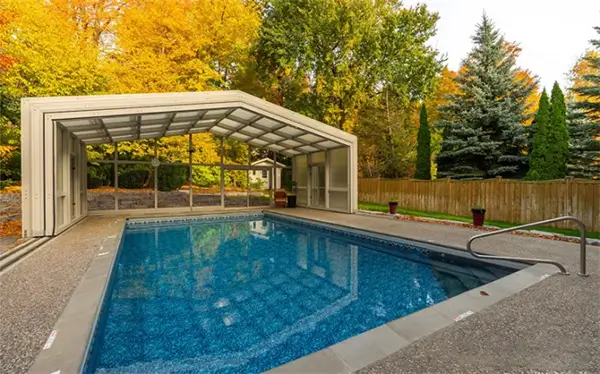
A pool enclosure installation is one of the most effective ways to enhance the safety, comfort, and value of your outdoor living space. Whether you’re looking to reduce maintenance, keep insects away, or create a more enjoyable swimming environment year-round, proper planning is essential before construction starts.
Many homeowners focus on selecting materials and designs but overlook the preparation phase. In reality, a successful pool enclosure project begins long before the first post is installed. From obtaining permits to evaluating your property’s layout, every step plays a crucial role in ensuring a smooth construction process.
Use this comprehensive checklist to prepare for your upcoming pool enclosure installation and avoid costly delays or unexpected issues.
Why Proper Planning Matters for Pool Enclosure Installation
Industry experts estimate that nearly 30% of residential construction delays are caused by inadequate planning, permit issues, or site preparation problems. Taking the time to organize every aspect of your project beforehand can save both time and money.
A well-planned pool enclosure installation helps:
- Prevent construction delays
- Reduce unexpected expenses
- Ensure code compliance
- Improve structural durability
- Increase property value
- Enhance long-term functionality
Before hiring a contractor, work through the following checklist.
Assess Your Pool Area and Property Layout
The first step is evaluating the existing conditions around your pool.
Take measurements of:
- Pool dimensions
- Decking and patio space
- Landscaping features
- Utility lines
- Existing structures nearby
Consider how the enclosure will integrate with your home and outdoor living areas. Some homeowners prefer a standalone enclosure, while others choose a design connected directly to the house for easier access.
A professional site assessment can identify potential challenges such as uneven ground, drainage concerns, or limited installation space.
Understand Local Building Codes and Permit Requirements
Every municipality has specific regulations governing pool structures and enclosures.
Before construction begins, verify:
Zoning Restrictions
Check setback requirements, height limitations, and property line regulations.
Building Permits
Most pool enclosure installation projects require permits before work can start. Permit approval timelines can range from a few days to several weeks depending on your location.
HOA Guidelines
If you live in a neighborhood governed by a homeowners association, review community rules regarding enclosure designs, colors, and materials.
Failure to secure the necessary approvals can lead to fines, project delays, or even mandatory modifications after installation.
Establish a Realistic Budget
Budget planning is one of the most important parts of any pool enclosure installation project.
Costs can vary significantly based on:
- Enclosure size
- Material selection
- Roof style
- Custom features
- Site preparation requirements
As of 2025, many residential pool enclosure installations range between $8,000 and $30,000 or more depending on complexity and location.
Don’t forget to include:
- Permit fees
- Engineering costs
- Landscaping adjustments
- Electrical modifications
- Future maintenance expenses
Setting aside an additional 10% to 15% contingency fund is often recommended for unforeseen costs.
Choose the Right Enclosure Design
Not all pool enclosures are created equal. Selecting the right style impacts appearance, functionality, and long-term satisfaction.
Screen Enclosures
Screen enclosures are popular in warm climates because they provide ventilation while keeping insects and debris out.
Glass Enclosures
Glass structures offer year-round protection and create a more luxurious appearance, though they generally come with higher installation costs.
Retractable Enclosures
Retractable systems provide flexibility by allowing homeowners to open or close sections depending on weather conditions.
When selecting a design, consider:
- Climate conditions
- Maintenance requirements
- Energy efficiency
- Desired aesthetics
- Long-term usage goals
Evaluate Drainage and Water Management
Proper drainage is often overlooked until problems occur.
Before construction begins, ensure that rainwater can flow away from the enclosure and pool area effectively.
Ask your contractor about:
- Drainage grading
- Gutter systems
- Downspout placement
- Water runoff management
Poor drainage can lead to structural damage, standing water, and foundation issues over time.
Confirm Utility Locations
A professional utility inspection should be completed before excavation or construction activities begin.
Underground utilities may include:
- Water lines
- Gas lines
- Electrical cables
- Irrigation systems
- Internet or communication lines
Identifying these systems beforehand helps prevent costly repairs and construction delays.
Hire an Experienced Pool Enclosure Contractor
The quality of your contractor directly impacts the success of your project.
When comparing companies, look for:
- Valid licensing
- Insurance coverage
- Positive customer reviews
- Industry experience
- Portfolio of completed projects
Request multiple estimates and ask for references from recent clients.
A reputable contractor should also provide a detailed timeline outlining each phase of the pool enclosure installation process.
Prepare the Construction Area
Once your plans are finalized, prepare the site before crews arrive.
Complete the following tasks:
- Remove outdoor furniture
- Relocate potted plants
- Secure pets
- Clear pathways for equipment
- Protect nearby landscaping
Creating a safe and accessible work environment helps construction proceed more efficiently.
Review the Final Project Timeline
Before signing contracts, review all project details carefully.
Confirm:
- Start date
- Completion date
- Payment schedule
- Material delivery timelines
- Warranty coverage
Having clear expectations from the beginning minimizes misunderstandings and helps keep the project on track.
Final Thoughts
A successful pool enclosure installation starts with careful preparation. By assessing your property, understanding local regulations, setting a realistic budget, and choosing the right contractor, you can significantly reduce stress throughout the construction process.
Following this checklist ensures that every aspect of the project is addressed before work begins, helping you avoid delays and maximize your investment. With proper planning, your new pool enclosure can provide years of comfort, protection, and enjoyment while enhancing the beauty and value of your home.