
Introduction to Image Search Techniques
Image Search Techniques In today’s digital world, images play a crucial role in communication, marketing, education, and research. Whether you are a student, content creator, marketer, journalist, or everyday internet user, knowing effective image search techniques can save time and improve the quality of information you find online.
Image searching is no longer limited to typing a few words into a search engine. Modern search engines use advanced technologies such as artificial intelligence, visual recognition, metadata analysis, and reverse image search to help users locate relevant images quickly and accurately. Understanding these methods can significantly enhance your online research capabilities.
This guide explores the most effective image search techniques, explains how they work, and provides practical tips to help you find exactly what you’re looking for. By mastering these strategies, you can improve your productivity and discover valuable visual content more efficiently.
Understanding How Image Search Works
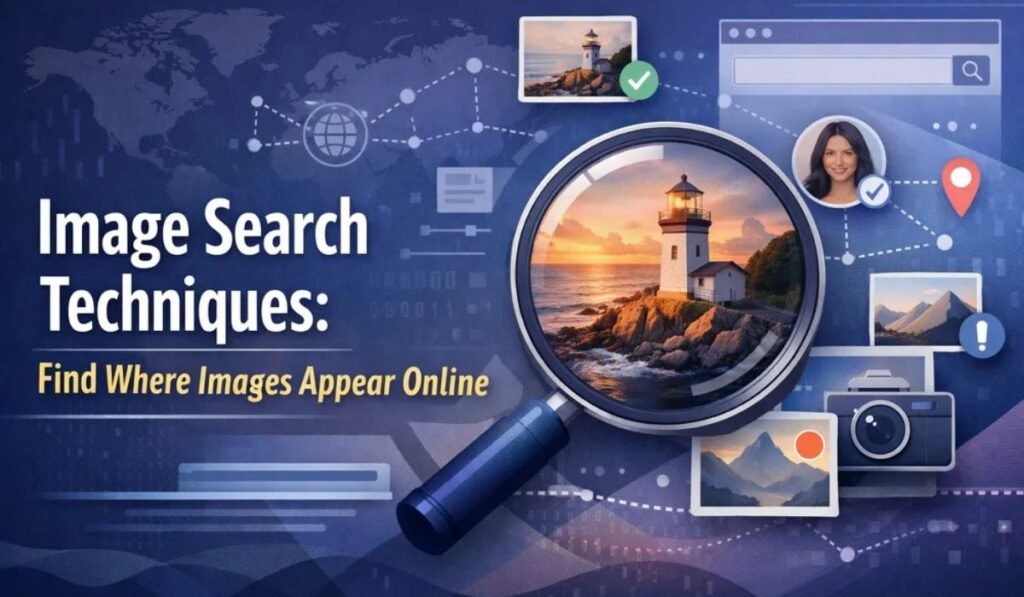
Image Search Techniques operate differently from traditional text-based searches. Instead of focusing solely on keywords, they analyze various image-related factors to deliver relevant results.
One of the primary methods used by search engines is metadata analysis. Metadata includes information such as file names, alt text, captions, image descriptions, and surrounding webpage content. Search engines use this data to understand what an image represents and determine its relevance to a search query.
Another important component is computer vision technology. Modern search engines can analyze the actual content of an image, identifying objects, faces, colors, landmarks, and patterns. This allows users to search visually rather than relying entirely on text descriptions.
Machine learning algorithms further improve image search accuracy. These systems continuously learn from user behavior and search patterns, helping search engines provide increasingly relevant image results over time.
Using Keywords Effectively for Image Searches
The foundation of successful image searching begins with choosing the right keywords. Specific and descriptive search terms often produce better results than broad or generic phrases.
For example, searching for “golden retriever puppy playing in park” will typically generate more accurate results than simply searching for “dog.” Adding details such as colors, locations, activities, or styles helps narrow the search and improves relevance.
Users can also benefit from using quotation marks around exact phrases. This technique tells search engines to prioritize results that match the specific wording entered. It is particularly useful when searching for images related to brands, events, products, or unique subjects.
Combining keywords strategically can further refine search outcomes. Using multiple descriptive terms helps eliminate unrelated images and directs the search engine toward more targeted visual content.
Reverse Image Search Techniques
Reverse image search is one of the most powerful image search techniques available today. Instead of entering text, users upload an image or provide an image URL to find visually similar images and related information.
This method is particularly useful for identifying unknown objects, locating image sources, verifying authenticity, and finding higher-resolution versions of pictures. Journalists and researchers frequently use reverse image searches to fact-check visual content and detect misinformation.
Reverse image search can also help photographers protect their work by discovering where their images are being used online. Businesses often use this technique to monitor brand assets and identify unauthorized image usage.
In addition, online shoppers use reverse image searches to find products featured in photographs, compare prices, and locate similar items across different websites.
Advanced Search Filters for Better Results
Many users overlook advanced image search filters, even though they can dramatically improve search precision. These filters allow users to customize results based on specific requirements.
Size filters help locate images suitable for different purposes. Whether you need a small image for a website thumbnail or a large high-resolution image for printing, adjusting image size settings can save significant time.
Color filters allow users to search for images dominated by specific colors. Designers, marketers, and creative professionals often use this feature when working on branding projects or visual campaigns.
Usage rights filters are especially important for content creators. These filters help identify images that are licensed for reuse, reducing the risk of copyright infringement. Always review licensing details before using any image commercially.
Time-based filters can also be useful when searching for recent images related to current events, trends, or news stories.
Visual Search and AI-Powered Image Recognition
Artificial intelligence has transformed the way people search for images online. Visual search technology allows users to search using photographs instead of text-based queries.
AI-powered image recognition systems can identify objects, animals, landmarks, products, plants, and even specific clothing items within an image. This capability has made image discovery faster and more intuitive than ever before.
For example, if someone takes a photo of a flower and uploads it to a visual search tool, AI can analyze the image and identify the flower species within seconds. Similar applications exist for architecture, fashion, food, and consumer products.
These advanced image search techniques are becoming increasingly integrated into smartphones, making visual search accessible to users anywhere and at any time.
Finding Copyright-Free and Licensed Images
One of the most important image search techniques involves locating legally usable images. Copyright restrictions can create serious legal and financial consequences if images are used without proper permission.
Many image search platforms offer licensing filters that allow users to find images available for reuse. Understanding licensing categories such as public domain, Creative Commons, and commercial licenses is essential for responsible image usage.
Public domain images generally have no copyright restrictions, making them freely available for use. Creative Commons licenses vary in their requirements and may require attribution or limit commercial usage.
Businesses, bloggers, and marketers should always verify image licensing terms before publishing content. Taking a few extra minutes to confirm permissions can prevent significant problems later.
Common Mistakes to Avoid During Image Searches
Despite the availability of advanced search tools, many users still make mistakes that limit the effectiveness of their image searches. One common issue is using overly broad search terms, which often produce thousands of irrelevant results.
Another frequent mistake is ignoring image licensing information. Downloading and using images without checking usage rights can lead to copyright violations and legal disputes.
Users also sometimes rely on a single search engine. Exploring multiple image search platforms can uncover additional results and provide different perspectives on a topic.
Failing to verify image authenticity is another major concern. Reverse image search and source verification techniques should always be used when evaluating images related to news, research, or important claims.
Tips for More Accurate Image Search Results
Improving image search accuracy often requires a combination of techniques rather than relying on a single method. Start by using specific keywords that clearly describe the desired image.
Apply advanced filters whenever possible to narrow results by size, color, date, and licensing status. These filters significantly reduce irrelevant results and improve search efficiency.
Use reverse image search to validate image sources and discover related content. This approach is especially valuable when researching unfamiliar subjects or verifying online information.
Regularly experiment with different keyword combinations and search platforms. Search engines may interpret queries differently, and small changes in wording can lead to dramatically different results.
Finally, stay informed about emerging AI-powered search technologies. As image recognition systems continue to improve, new opportunities for discovering visual information will become available.
The Future of Image Search Techniques
The future of image search is closely tied to advances in artificial intelligence, machine learning, and augmented reality. Search engines are becoming increasingly capable of understanding image context and user intent.
Visual search is expected to become even more integrated into everyday life. Users may soon search for products, locations, and information simply by pointing a smartphone camera at an object.
AI will likely continue improving image classification, object recognition, and content verification capabilities. These developments will make image searches faster, more accurate, and more personalized.
As technology evolves, mastering image search techniques will remain an essential skill for professionals, researchers, marketers, and general internet users alike.
Conclusion
Image search techniques have advanced far beyond simple keyword searches. Today’s users can leverage reverse image search, AI-powered visual recognition, advanced filtering tools, and licensing options to find highly relevant visual content quickly and efficiently.
Understanding how image search engines work and applying the right strategies can significantly improve research quality, save time, and help users locate accurate information. Whether you are searching for educational resources, marketing visuals, product information, or creative inspiration, effective image search techniques provide a valuable advantage.
By combining keyword optimization, reverse image searches, advanced filters, and responsible image usage practices, anyone can become more skilled at navigating the vast world of online visual content.
YOU MAY ALSO READ